Gutter Installation Mistakes Homeowners Should Avoid
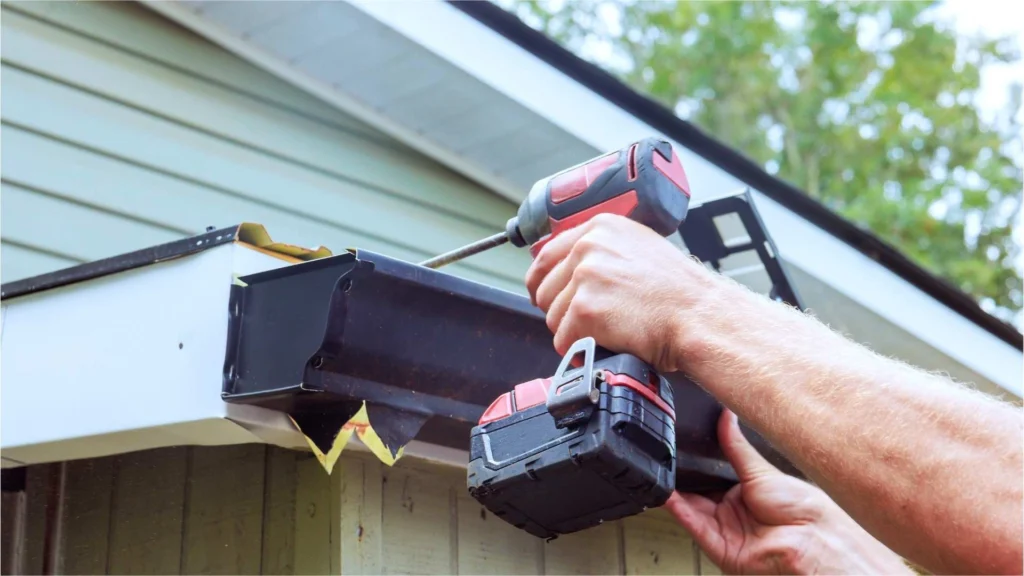
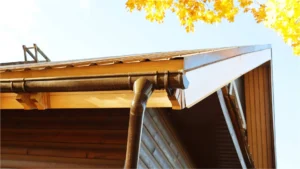
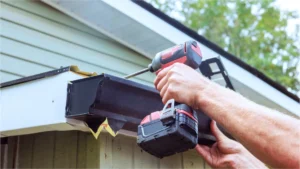
Installing new gutters may seem straightforward, but the quality of the finished system depends on much more than attaching gutters along the edge of the roof.
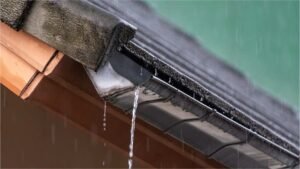
The gutter size, pitch, downspout placement, mounting surface, roof configuration, and drainage plan all affect how well the system handles rainwater. A mistake in any of these areas can lead to overflowing gutters, standing water, leaks, sagging, or water being discharged too close to the home.
For homeowners in Valdosta, GA, proper installation is particularly important because the gutter system needs to handle significant rainfall and periods of intense storms.
PK Gutters Valdosta provides gutter installation in Valdosta, GA, along with gutter cleaning, gutter repair, gutter replacement, seamless gutters, gutter guards, downspout services, and maintenance.
Call (229) 512-0778 for a free estimate.
Choosing Gutters Based Only on Price
One of the most common mistakes is choosing a gutter system based entirely on the lowest installation price.
A cheaper system may use smaller gutters, lighter material, fewer downspouts, or a less suitable configuration for the property. The initial savings may not be worthwhile if the system repeatedly overflows or requires repairs.
The goal should be to choose a gutter system that is appropriately designed for the home rather than simply finding the lowest price per linear foot.
Installing Gutters That Are Too Small
Gutter size matters because the system needs enough capacity to handle the water coming from the roof.
A gutter that is too small can overflow during heavy rainfall even when it is completely clean.
The appropriate gutter size depends on factors such as roof area, roof pitch, roof configuration, and how much water is directed toward individual gutter runs.
For many Valdosta homes, gutter sizing deserves particular attention because intense rainfall can put significantly more demand on the drainage system.
Not Installing Enough Downspouts
Gutters collect water, but downspouts are what move that water out of the gutter system.
If there are too few downspouts or they are poorly positioned, water may have to travel too far through the gutter before it can exit.
This can contribute to overflow during heavier rainfall.
The number and placement of downspouts should be considered during the initial design rather than treated as an afterthought.
Placing Downspouts in the Wrong Locations
Having enough downspouts does not necessarily mean they are in the right places.
Roof valleys, corners, long gutter runs, and areas receiving concentrated runoff can all affect where downspouts should be located.
A poorly positioned downspout may leave one section of the gutter carrying a large amount of water even though another section of the system has an outlet nearby.
The roof and gutter layout should be considered together when planning downspout locations.
Installing Gutters Without Checking the Fascia
New gutters need a secure mounting surface.
If the fascia behind the existing gutters is rotten, soft, or otherwise damaged, simply installing new gutters over it can create problems later.
This is particularly important when replacing an older gutter system because years of leaks or overflow may have allowed moisture to reach the fascia.
The mounting surface should be inspected before the new gutters are installed.
Using the Wrong Gutter Pitch
Gutters need to be installed with an appropriate pitch toward the downspouts.
If the gutter is too flat, water may sit inside instead of draining properly. If the slope is excessive, the gutter may not look right and water flow may not be distributed as intended.
Standing water inside the gutters can add unnecessary weight and contribute to other problems.
Proper pitch should therefore be established during installation rather than adjusted after the system starts overflowing.
Ignoring Roof Valleys
Roof valleys can concentrate a large amount of water into a relatively small portion of the gutter system.
This is easy to overlook when simply measuring the total length of the roofline.
A gutter installation should account for where water from different roof sections is being directed. A section below a major valley may need additional drainage capacity compared with a straightforward section of roof.
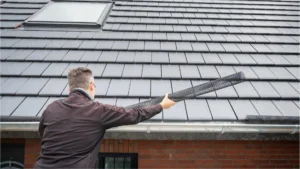
Installing Gutters Without Considering the Roof
The gutter system should be designed around the roof rather than treated as a separate feature.
Roof size, pitch, valleys, sections, and runoff patterns all affect the amount of water reaching different parts of the gutter.
Two houses with the same amount of gutter footage can have very different drainage requirements because their roofs are configured differently.
Using Inadequate Downspouts
The gutter itself can be properly sized while the downspouts are inadequate.
If the downspouts cannot move water away efficiently, water may back up inside the gutters.
The size and number of downspouts should therefore be considered alongside the gutter size.
PK Gutters Valdosta provides downspout installation and repair in Valdosta, GA.
Discharging Water Too
Close to the Foundation
Installing a downspout is only part of the drainage process.
The water also needs to be directed toward an appropriate discharge area.
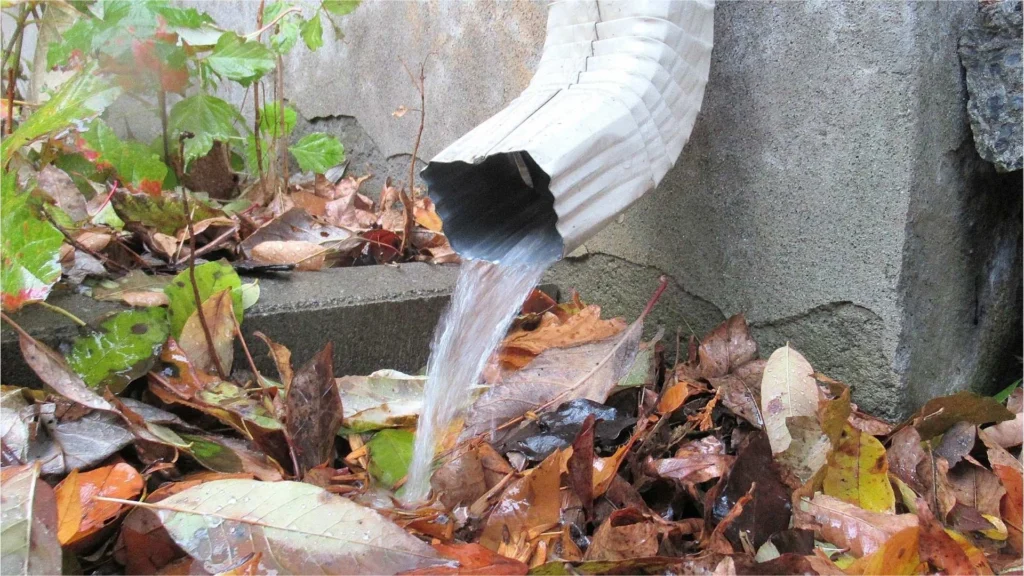
Allowing large amounts of roof runoff to empty directly beside the home can contribute to pooling and erosion around the foundation area.
Depending on the property, downspout extensions or another drainage solution may be appropriate.
Ignoring Gutter Guards During Installation
If you are considering gutter guards, it is better to plan them as part of the overall gutter installation rather than adding them without considering how the complete system will work.
Different guard designs handle different types of debris.
This is particularly relevant for homes with significant pine needle and leaf accumulation.
Gutter guards can reduce debris entering the gutter, but they still require inspection and maintenance.
PK Gutters Valdosta provides gutter guard installation in Valdosta, GA.
Assuming Seamless Gutters Are Maintenance-Free
Seamless gutters have fewer joints along long runs, which can reduce potential leak locations.
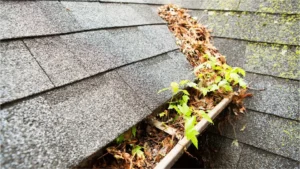
However, seamless gutters still collect leaves, pine needles, dirt, and other debris.
They can also develop damage, sagging, blocked downspouts, or drainage problems.
Seamless construction can be an excellent option, but it does not eliminate the need for maintenance.
PK Gutters Valdosta provides seamless gutter installation in Valdosta, GA.
Installing New Gutters Over Existing Problems
Another mistake is replacing the visible gutter without addressing the reason the old system failed.
For example, if the old gutters repeatedly overflowed because they were undersized, installing another system with the same capacity may simply recreate the problem.
Likewise, replacing gutters without correcting damaged fascia or inadequate downspout placement can leave important problems unresolved.
A replacement should address the overall drainage system rather than just the visible gutter sections.
Using the Wrong Hanger or Support Spacing
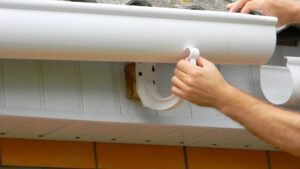
Gutters need adequate support to remain properly positioned.
If supports are spaced too far apart or are not securely attached to an appropriate mounting surface, the gutters can sag over time.
This can create low spots where water collects and may contribute to overflow.
The support system should be appropriate for the gutter material, installation method, and conditions of the property.
Failing to Account for Heavy Rain
A gutter system should not be designed only around what happens during a light rain.
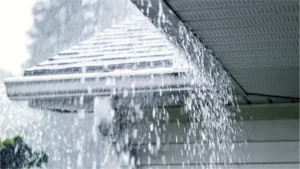
Heavy rainfall can send a much larger volume of water into the system over a short period.
If a gutter system is already close to its capacity during ordinary rain, heavier weather may expose the weakness immediately.
The installation should therefore consider the roof and local rainfall conditions rather than relying on a basic one-size-fits-all configuration.
Choosing a Gutter Material Without Considering the Property
Different gutter materials have different characteristics.
Aluminum is widely used for residential gutter systems because it is lightweight and available in many configurations.
Other materials can have different durability, appearance, maintenance, and cost considerations.
The best choice depends on the homeowner’s goals, the property, the desired appearance, and the installation requirements.
Trying to Solve Every Problem With Bigger Gutters
Installing larger gutters can help when the existing system is genuinely undersized, but bigger is not automatically the answer to every drainage problem.
If the actual problem is a blocked downspout, poor pitch, sagging gutter, or badly positioned outlet, increasing gutter size may not solve it.
The underlying cause should be identified before deciding what needs to change.
Hiring an Installer Without Asking What Is Included
A gutter installation quote can look inexpensive until additional work is added later.
Before approving an installation, homeowners should understand what the estimate includes.
Important questions include:
- What gutter size is being installed?
- What material and thickness are being used?
- How many downspouts are included?
- Are downspout extensions included?
- Is old gutter removal included?
- Will the fascia be inspected?
- Are gutter guards included or optional?
- Are repairs to the mounting surface included?
- What type of hangers and supports will be used?
Understanding the scope beforehand makes it easier to compare estimates.
Choosing a Contractor Based Only on a Quote
Price is important, but it should not be the only consideration.
Two contractors can provide very different quotes because they are proposing different gutter sizes, materials, downspout configurations, support systems, or installation methods.
A lower price does not necessarily represent a better value if the system is poorly suited to the property.
Look at what is actually being installed, not just the final number.
What a Proper Gutter Installation Should Consider
A good gutter installation should take the entire drainage system into account.
This includes the roof configuration, gutter size, gutter pitch, downspout locations, mounting surface, discharge areas, and the property’s maintenance requirements.
For homes surrounded by trees, debris management should also be considered.
The goal is to create a system that can collect and move roof runoff efficiently while remaining practical to maintain.
How to Avoid Gutter Installation Problems
The best way to avoid installation problems is to start with a proper evaluation of the property.
The installer should examine the roofline, determine the appropriate gutter configuration, identify suitable downspout locations, and check the mounting surface before installation begins.
If an existing system has repeatedly overflowed or leaked, the reason for those problems should be identified before installing a replacement.
Professional Gutter Installation in Valdosta, GA
Gutter installation is more than attaching aluminum along the edge of a roof.
The system needs to be appropriately sized, properly pitched, adequately supported, and connected to enough downspouts to move water away from the home.
For Valdosta homeowners, the installation should also account for the area’s rainfall, storms, and tree debris.
PK Gutters Valdosta provides gutter installation, seamless gutters, gutter cleaning, gutter repair, gutter replacement, gutter guards, downspout services, and maintenance in Valdosta, GA.
Get a Free Estimate
Planning a new gutter installation or replacing an older system?
PK Gutters Valdosta can evaluate your home and provide a free estimate based on the property’s gutter and drainage requirements.
Call (229) 512-0778 for a free estimate.
You can also email info@pkguttersvaldosta.com.
Frequently Asked Questions
Request a Free Estimate
Need new gutters installed correctly in Valdosta, GA?
PK Gutters Valdosta
Valdosta, GA
Phone: (229) 512-0778
Email: info@pkguttersvaldosta.com
Contact us today for a free gutter installation estimate.