
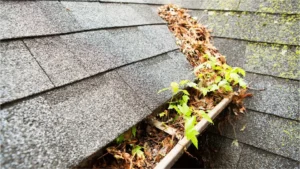
Home What Happens If You Never Clean Your Gutters? Gutters are designed to collect rainwater from your roof and direct...
Read More
Gutter Maintenance for Rental Properties Near VSU — A Landlord's Guide to Protecting Your Investment
Rental properties near Valdosta State University face a gutter maintenance challenge that owner-occupied homes do not: the disconnect between who notices the problem and who pays for the damage. A homeowner hears water overflowing during a storm, looks up, sees the gutter sheeting, and calls a contractor. A tenant hears the same overflow, assumes it is normal or someone else’s problem, and goes back to watching television. Six months later, at lease turnover, the landlord discovers fascia rot, foundation erosion, and crawlspace moisture that cost ten times what a cleaning would have prevented.
The neighborhoods around VSU — along Brookwood Drive, Georgia Avenue, Baytree Road, North Patterson Street, and the rental-heavy residential blocks between Ashley Street and Oak Street — contain a high concentration of investor-owned single-family homes and small multifamily properties. These properties generate consistent rental income from the university’s enrollment base, but they also require a maintenance approach that does not rely on tenant reporting for critical exterior systems.
Gutters are the highest-risk deferred maintenance item on rental properties because the damage from neglect is invisible to tenants, progresses silently over months, and produces expensive secondary damage that far exceeds the cost of prevention.
Why Tenant-Dependent Maintenance Fails for Gutters
Tenants do not report gutter problems for several reasons, none of which reflect poorly on the tenant — they simply do not have the context, incentive, or expertise to identify exterior drainage issues.
Most tenants have never owned a home and do not know what gutter overflow looks like, sounds like, or means. A stream of water cascading off the roof during a thunderstorm looks normal to someone who has never been responsible for the structure behind it. The fascia staining, soil erosion, and crawlspace moisture that result from chronic overflow develop gradually over months and are invisible from inside the home.
Even tenants who recognize a gutter problem may not report it because they assume it is cosmetic, because they do not want to bother the landlord, because they are worried that reporting a problem will trigger an inspection that reveals lease violations, or because the lease language is ambiguous about which maintenance items are the tenant’s responsibility versus the landlord’s.
The result is consistent: by the time gutter problems are identified on rental properties, they have been developing for one to three years and have caused secondary damage that costs $1,000 to $5,000 to remediate.
The Maintenance Contract Solution
The most cost-effective approach is an annual maintenance contract that operates independently of tenant awareness or reporting. The contract schedules three cleanings per year — late April, September, and late November — and authorizes the contractor to access the property for exterior-only work without requiring tenant coordination or scheduling.
Annual maintenance contracts for single-family rentals in the Valdosta area run $250 to $400 per year for three cleanings. The contract typically includes downspout flushing at each visit, a gutter condition report noting any developing problems, and priority scheduling for repairs identified during the cleaning visit.
The condition report is the key value-add for landlords. A cleaning contractor on the roof three times per year sees developing problems — loosening hangers, fascia softening, slope shifting, corrosion at low points — before they become expensive failures. The report provides documentation that the property is being maintained, which protects the landlord against negligence claims if damage does occur.
For landlords managing multiple properties, maintenance contracts also simplify budgeting. The annual cost per property is fixed and predictable, unlike the reactive approach where a single neglected property can generate a $3,000 surprise in a single quarter.
Turnover Inspection Protocol
Every lease turnover should include a gutter and fascia inspection as part of the standard property condition assessment. Most landlords already inspect the interior, check appliances, document wall condition, and test plumbing at turnover. Adding exterior drainage to this checklist takes 15 to 20 minutes and catches problems that have been developing silently for the duration of the lease.
The turnover gutter inspection includes four steps.
First, visually inspect all gutter runs from ground level for sagging, pulling away from the fascia, visible debris above the gutter line, and staining on the fascia or walls below the gutter. Any of these signs indicate deferred maintenance during the tenancy.
Second, run water through the system with a garden hose to verify flow at every downspout. Water should flow steadily and exit the bottom of each downspout within seconds. Slow flow indicates a partial blockage. No flow indicates a full blockage. Both require clearing before the next tenant moves in.
Third, check downspout connections and extensions. Tenants and lawn maintenance crews frequently knock downspout extensions loose or remove them entirely because they interfere with mowing. Missing or disconnected extensions dump water directly at the foundation. Replace all missing extensions and stake them in position.
Fourth, probe the fascia with a screwdriver at three to four points per side of the home. Focus on areas behind gutter joints and on the north and east sides where reduced sun exposure accelerates rot. Document any soft spots in writing and schedule repair before the next tenancy begins.
Addressing gutter and fascia issues during vacancy avoids the access-coordination problem of scheduling work around a tenant’s schedule and ensures the property enters the next lease term with a functioning drainage system.
Cost-Per-Unit Economics
For a landlord managing five rental properties near VSU, the math on proactive maintenance versus reactive repair is decisive.
| Approach | Annual Cost (5 Properties) | 5-Year Cost |
|---|---|---|
| Maintenance contracts ($350/property) | $1,750 | $8,750 |
| Reactive: 1 fascia repair/year across portfolio | $800 – $1,500 | $4,000 – $7,500 |
| Reactive: 1 full gutter replacement per 5 years | $2,000 – $3,000 | $2,000 – $3,000 |
| Reactive total | — | $6,000 – $10,500 |
| Deferred: all damage compounds | — | $15,000 – $30,000 |
The maintenance contract path costs $8,750 over five years across five properties and prevents nearly all reactive costs. The reactive path — responding only when problems become visible at turnover — costs $6,000 to $10,500 in direct repair costs but also includes the indirect costs of extended vacancy time while repairs are completed, tenant complaints about exterior appearance, and accelerated depreciation of the property.
The deferred path — doing nothing until a major failure forces action — produces the worst financial outcome. Fascia rot spreads to rafters. Foundation erosion progresses to settlement. Crawlspace moisture generates mold that triggers remediation requirements. Each of these costs individually exceeds the entire five-year maintenance contract budget.
Gutter Guards as a Rental Property Investment
Micro-mesh gutter guards are a particularly strong investment on rental properties because they reduce the maintenance contract cost by approximately 60 percent while eliminating the worst-case failure modes that generate expensive damage.
With guards installed, the annual cleaning contract drops from three cleanings per year ($250 to $400) to one cleaning per year ($100 to $150) — an annual savings of $150 to $250 per property. The guards also prevent the compacted pine needle dams that cause the most severe overflow, which is the primary source of fascia rot and foundation damage on unattended rental properties.
The upfront cost of micro-mesh guards on a typical 175-foot rental home is $700 to $1,400. At $150 to $250 per year in cleaning savings, the payback period is three to six years. For a landlord holding rental properties for 10 to 15 years — which is the typical investment horizon for VSU-area rentals — the guards pay for themselves before the midpoint of the hold period and generate net savings for the remaining years.
The guards also reduce the turnover inspection scope. Instead of assessing whether tenants allowed gutters to clog and overflow between contract cleanings, the inspection focuses on guard condition and downspout connections — a simpler, faster check.
Frequently Asked Questions
Should the tenant or landlord pay for gutter cleaning?
Gutter cleaning is a structural maintenance item. Georgia residential landlord-tenant law places exterior structural maintenance on the landlord. Even if the lease assigns minor maintenance tasks to the tenant, relying on tenant compliance for gutter cleaning is operationally unreliable and legally risky — if tenant neglect causes structural damage, the landlord bears the remediation cost regardless of lease language.
How often should rental property gutters be cleaned?
Three times per year in the Valdosta area — late April, September, and late November. Properties with gutter guards reduce to once per year. The schedule should be managed by the landlord through a maintenance contract, not delegated to the tenant.
Can I write off gutter maintenance on my taxes?
Routine gutter cleaning and repair on rental properties are generally deductible as operating expenses in the year incurred. Gutter replacement and guard installation may qualify as capital improvements subject to depreciation. Consult a tax professional for guidance specific to your portfolio structure and filing status.
Should I install gutter guards on all my rentals?
Prioritize guards on properties with the heaviest tree coverage and the highest cleaning costs. Properties on open lots with minimal tree canopy may not justify the upfront investment. For most VSU-area rentals — which are located in mature neighborhoods with heavy pine and oak canopy — guards are cost-justified on every property.
What happens if deferred gutter maintenance causes damage to a tenant's belongings?
Georgia’s landlord-tenant code requires landlords to maintain structural components in habitable condition. Damage to a tenant’s personal property caused by the landlord’s failure to maintain gutters — water intrusion from overflow, mold from crawlspace moisture — could create liability. Maintenance contracts provide documentation of due diligence that protects against negligence claims.
How do I find a contractor who works with landlords?
Look for contractors who offer maintenance contracts with multi-property pricing, who provide condition reports at each visit, who can access properties without tenant coordination for exterior-only work, and who offer priority scheduling for repairs identified during contract visits. PK Gutters Valdosta provides all of these services for rental property owners in the Valdosta area.
Recent Posts

Gutter Installation Mistakes Homeowners Should Avoid
Home Gutter Installation Mistakes Homeowners Should Avoid A new gutter system is supposed to make it easier to control rainwater...
Read More
What Happens When Gutters Are Too Small for Your Roof?
Home What Happens When Gutters Are Too Small for Your Roof? Your gutters need to handle the amount of rainwater...
Read More
How to Tell if Your Gutters Are Properly Installed
Home How to Tell if Your Gutters Are Properly Installed A gutter system can look perfectly fine from the ground...
Read More
Do You Need Gutters on Every Side of Your House?
Home Do You Need Gutters on Every Side of Your House? Not every home necessarily needs gutters on every side...
Read More
How Long Do Gutters Last in Georgia?
Home How Long Do Gutters Last in Georgia? Gutters are an important part of a home’s exterior drainage system. They...
Read More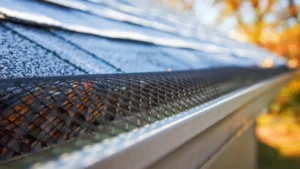
How to Choose the Right Gutters for Your Valdosta Home
Home How to Choose the Right Gutters for Your Valdosta Home Choosing gutters for your home is about more than...
Read More
Signs Your Gutters Are Clogged: What Valdosta Homeowners Should Look For
Home Signs Your Gutters Are Clogged: What Valdosta Homeowners Should Look For Gutters are designed to collect rainwater from your...
Read More
How Much Does Gutter Cleaning Cost in Valdosta, GA?
Home How Much Does Gutter Cleaning Cost in Valdosta, GA? If your gutters are filled with leaves, pine needles, dirt,...
Read More
Seamless Gutters vs. Regular Gutters: Which Is Better for Your Valdosta Home?
Home Seamless Gutters vs. Regular Gutters: Which Is Better for Your Valdosta Home? If you are planning a new gutter...
Read More