
Home What Happens If You Never Clean Your Gutters? Gutters are designed to collect rainwater from your roof and direct...
Read More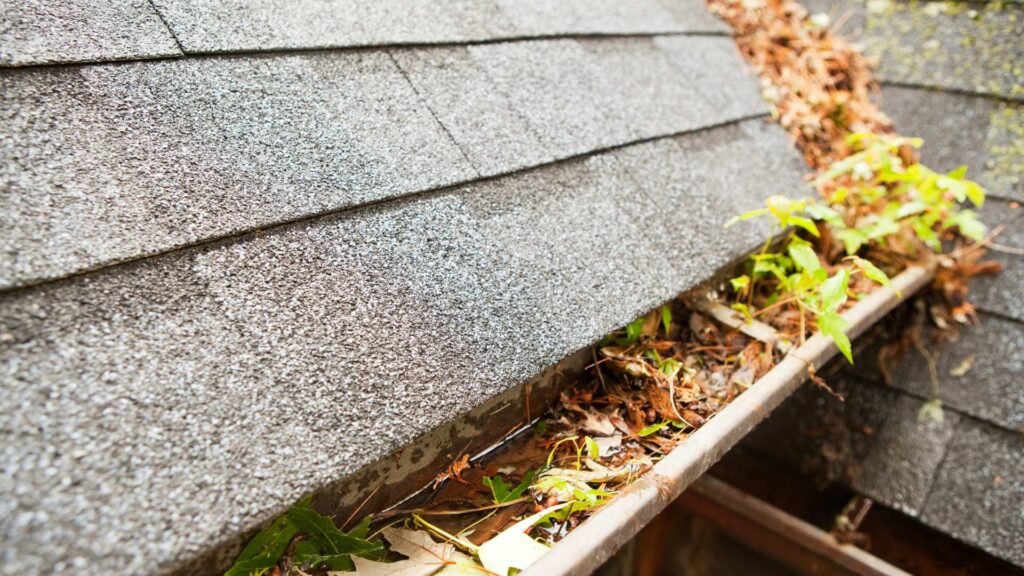
Why Pine Needles Clog Gutters Faster Than Leaves — And What South Georgia Homeowners Can Do About It
Pine needles cause more gutter problems than deciduous leaves because they behave differently inside the gutter trough at every stage — how they enter, how they settle, how they interact with water, and how they resist removal. For homeowners in Valdosta, Hahira, Lake Park, and surrounding South Georgia communities where slash pine and longleaf pine dominate the residential canopy, understanding this difference is the key to preventing the chronic overflow, fascia rot, and corrosion damage that plague gutters in this region.
The standard gutter maintenance advice found in national home improvement guides — clean twice per year, once in spring and once after fall leaf drop — is written for deciduous tree environments. Applying that schedule to a home surrounded by slash pine in South Georgia guarantees gutter failure. The pine needle problem requires a different cadence, different equipment, and in many cases different gutter specifications than what works in oak, maple, and elm country.
How Pine Needles Enter Gutters Differently
Deciduous leaves fall seasonally. An oak tree drops its leaves over a four to six-week window in autumn, creating a single concentrated debris event that a well-timed cleaning handles completely. Between that fall window and the following autumn, the gutters receive minimal leaf debris from deciduous species.
Slash pine and longleaf pine shed needles continuously throughout the year. There is no needle-free window. New needle growth pushes old needles off the branch in a perpetual cycle, with heavier shedding periods in late spring and fall but meaningful accumulation in every month. A Valdosta homeowner who cleans gutters on October 1 will find measurable needle accumulation by November 1, regardless of what the deciduous trees on the property are doing.
This continuous input means the gutter is never truly empty between cleanings. The system starts accumulating debris the day after it is cleaned, and the question is not whether accumulation will cause problems but how long before accumulation reaches the threshold where problems begin.
How Pine Needles Behave Inside the Trough
A deciduous leaf that lands in a gutter sits flat on the bottom of the trough. It is broad, lightweight, and loosely positioned. Water flows over and around it. Multiple leaves may stack, but they maintain loose contact and shift when water pressure pushes them. A strong rainstorm can partially self-clear a leaf-clogged gutter by flushing loose leaves toward the downspout.
Pine needles do not behave this way. Individual needles are narrow — two to three millimeters wide — and rigid enough to stand at angles inside the trough rather than lying flat. As needles accumulate, they interlock in a three-dimensional mesh, with some needles vertical, some horizontal, and some angled between others. This mesh creates a structure that traps additional needles, pollen, shingle granules, and small debris particles.
The interlocking structure is the critical difference. A mat of pine needles does not shift when water flows through it. The water permeates the mat, saturating the needles, but does not move the mat toward the downspout. Instead, the water adds weight — a substantial amount of weight. A single 10-foot section of gutter packed with wet pine straw weighs 30 to 50 pounds, far more than the system’s hangers were designed to support on a sustained basis.
The Standing Water and — Corrosion Chain
When pine needles saturate with water, they release tannins — the same compounds that give pine bark its brown color. These tannins are mildly acidic. In a gutter that drains properly, tannin-laden water passes through the system and exits the downspout within minutes of a rain event. No damage occurs because the contact time is brief.
In a gutter blocked by a pine needle mat, tannin-laden water sits against the aluminum trough for hours or days between rain events. In Valdosta’s climate, where summer rain occurs multiple times per week and humidity prevents drying between events, the tannin solution maintains continuous contact with the aluminum surface.
Over weeks and months, this sustained contact causes pitting corrosion on the aluminum. Pitting begins as microscopic surface damage invisible to the naked eye. Over one to two seasons of continuous exposure, the pits deepen and multiply. Over three to five seasons, the pits penetrate the aluminum wall thickness, creating pinhole leaks that drip onto the fascia during every rain event.
The corrosion is most aggressive at two locations: the bottom of the trough at low points where water pools deepest, and at the back wall where the gutter contacts the fascia — the location where a leak causes the most expensive secondary damage.
The Downspout — Dam Problem
The most damaging pine needle behavior happens at the downspout opening. During rain, water carries loose needles along the trough toward the downspout. At the opening, needles encounter a transition from a wide channel to a narrow pipe. On 2×3 downspouts — the builder-grade standard on many Valdosta homes — the opening is small enough that three or four needles can bridge across it horizontally.
Once a bridge forms, subsequent needles stack against it. Within a single heavy rain event, a dense dam can build at the downspout opening that blocks most or all water flow. Water backs up behind the dam, rises in the trough, and overflows at the front edge.
The homeowner sees overflow and assumes the entire gutter is clogged. In reality, the trough may be relatively clear — the blockage is concentrated at the downspout opening where it is invisible from ground level. A cleaning crew that scoops the trough but does not flush the downspouts leaves the core problem in place.
Upgrading to 3×4 downspouts addresses this problem directly. The larger opening is wide enough that individual needles cannot bridge across it. Needles that reach the opening fall through rather than stacking. The higher flow volume of the 3×4 pipe also flushes small accumulations before they compact. This single specification change — from 2×3 to 3×4 downspouts — eliminates most downspout blockage problems in pine-heavy environments.
The Right Cleaning Schedule for Pine Environments
The three-cleaning schedule for Valdosta homes with pine coverage follows the intersection of the pine shed cycle and the weather calendar.
First cleaning: Late April or early May. South Georgia’s pine pollen wave peaks in March and April, depositing a thick yellow layer on every outdoor surface. Inside gutters, pollen mixes with pine needle debris and rainfall to form a paste that adheres to the aluminum surface and blocks water flow. Clearing this buildup before the heavy summer thunderstorm season prevents overflow during the highest-rainfall months.
Second cleaning: September. June through August brings the most intense thunderstorm activity in South Georgia. Each storm washes additional pine needles, pollen residue, and roof debris into the gutter system. By September, three to four months of accumulated material has reduced capacity to the point where moderate rainfall causes overflow.
Third cleaning: Late November. While pine needles accumulate year-round, the live oaks and water oaks common in Valdosta’s older neighborhoods shed leaves in late fall. This seasonal leaf drop combines with the ongoing pine needle accumulation to create the densest debris load of the year.
Properties heavily surrounded by slash pine — common throughout the Bemiss Road area, around Moody Air Force Base, and along Clyattville-Nankin Road — may need a fourth cleaning in July to prevent mid-summer compaction.
What Actually Works Against Pine Needles
Micro-mesh gutter guards are the most effective long-term solution. The fine stainless steel screen — typically 50 to 100 microns — blocks pine needles from entering the trough while allowing water to pass through at rates exceeding four inches per hour. Needles land on the mesh surface, dry in the sun, and blow off with normal wind or slide off during the next rainfall. This self-clearing behavior reduces cleaning from three to four times per year to approximately once annually — a surface brushing to remove fine pollen and small debris from the mesh.
3×4 downspouts prevent the downspout dam that causes the worst overflow events. The larger opening and higher flow capacity handle needles that do enter the system through corners and guard gaps.
24-inch hanger spacing prevents the sagging that occurs when wet pine needle mats stress hangers installed at the standard 36-inch interval. The additional hangers distribute the weight of saturated debris across more attachment points, preventing the localized sag that creates permanent low spots.
Regular cleaning on the three-times-per-year schedule keeps accumulation below the compaction threshold. Once needles compact, they bond to the aluminum surface and require scraping rather than scooping — a longer, more labor-intensive, and more expensive cleaning process. Prevention through scheduled maintenance is always cheaper than remediation.
Frequently Asked Questions
Can I flush pine needles out with a garden hose?
Loose, fresh needles can be flushed toward the downspout with a hose at full pressure. Compacted needle mats that have been sitting for weeks or months cannot — they require hand removal with a gutter scoop or flat-bladed tool. Prevention through regular cleaning is always less work and less expensive than clearing compacted debris.
Do pine needle gutter guards really work?
Micro-mesh guards with openings of 50 to 100 microns effectively block pine needles while allowing water through at high volume. Other guard types — reverse-curve, foam, brush, and basic screen — fail with pine needle debris because the needles are thin enough to pass through or around them. Only micro-mesh provides reliable pine needle protection.
How do I know if pine needles are damaging my gutters?
Water overflowing during moderate rain is the clearest sign. Visible sagging in gutter sections indicates wet needle weight is stressing hangers. Staining on the fascia or exterior walls below the gutter line indicates sustained leaking from needle-dam overflow. Granular brown residue on the ground below the gutter is decomposed needle material washing over the edge. If the gutters look clean from ground level but still overflow, packed needles at the downspout openings are the likely cause.
Should I cut down my pine trees to protect my gutters?
Removing mature slash or longleaf pine is expensive — typically $800 to $2,500 per tree depending on size and location. Municipal tree ordinances in Valdosta may restrict removal. Micro-mesh gutter guards combined with the three-times-per-year cleaning schedule provide comparable gutter protection at a fraction of the cost of tree removal, without losing the shade, property value, and wind protection the trees provide.
How much does it cost to clean pine-clogged gutters?
Standard gutter cleaning in Valdosta costs $100 to $250 per visit for maintained systems. Heavily clogged gutters with compacted pine needle mats cost $200 to $350 for the initial cleaning due to the additional time required to scrape compacted debris from the trough surface. Once the system is cleared, subsequent cleanings at regular intervals return to standard pricing.
Do pine needles damage gutter guards?
Pine needles do not damage micro-mesh guards. Needles rest on the mesh surface and dry without bonding to the stainless steel screen. Spring pollen can accumulate on the mesh and reduce water flow if not brushed off during the annual cleaning. The guards themselves last the full lifespan of the gutter system without degradation from pine needle contact.
Recent Posts

Gutter Installation Mistakes Homeowners Should Avoid
Home Gutter Installation Mistakes Homeowners Should Avoid A new gutter system is supposed to make it easier to control rainwater...
Read More
What Happens When Gutters Are Too Small for Your Roof?
Home What Happens When Gutters Are Too Small for Your Roof? Your gutters need to handle the amount of rainwater...
Read More
How to Tell if Your Gutters Are Properly Installed
Home How to Tell if Your Gutters Are Properly Installed A gutter system can look perfectly fine from the ground...
Read More
Do You Need Gutters on Every Side of Your House?
Home Do You Need Gutters on Every Side of Your House? Not every home necessarily needs gutters on every side...
Read More
How Long Do Gutters Last in Georgia?
Home How Long Do Gutters Last in Georgia? Gutters are an important part of a home’s exterior drainage system. They...
Read More
How to Choose the Right Gutters for Your Valdosta Home
Home How to Choose the Right Gutters for Your Valdosta Home Choosing gutters for your home is about more than...
Read More
Signs Your Gutters Are Clogged: What Valdosta Homeowners Should Look For
Home Signs Your Gutters Are Clogged: What Valdosta Homeowners Should Look For Gutters are designed to collect rainwater from your...
Read More
How Much Does Gutter Cleaning Cost in Valdosta, GA?
Home How Much Does Gutter Cleaning Cost in Valdosta, GA? If your gutters are filled with leaves, pine needles, dirt,...
Read More
Seamless Gutters vs. Regular Gutters: Which Is Better for Your Valdosta Home?
Home Seamless Gutters vs. Regular Gutters: Which Is Better for Your Valdosta Home? If you are planning a new gutter...
Read More